How to Rank in ChatGPT, Perplexity & Gemini: The 2026 GEO Playbook

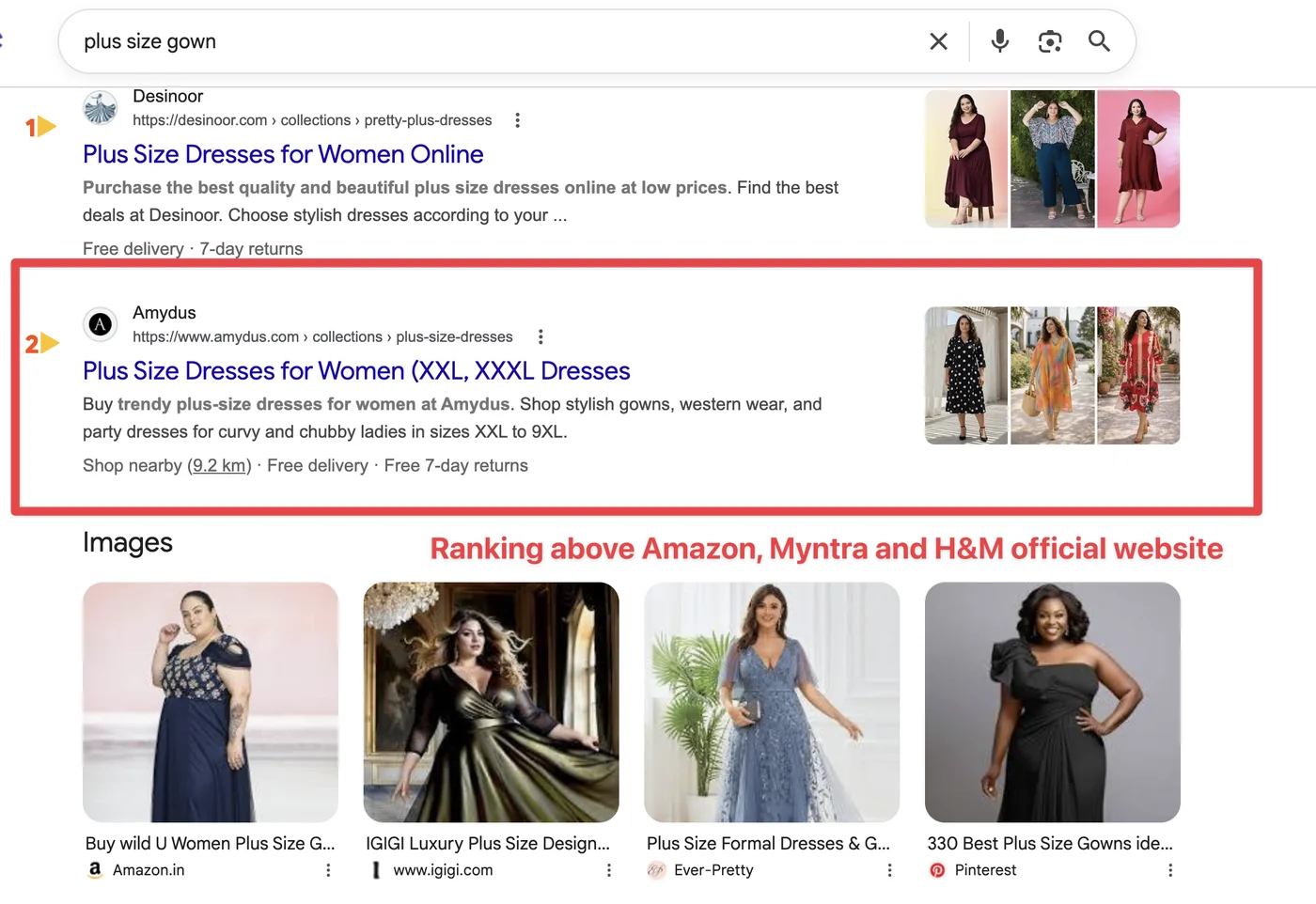
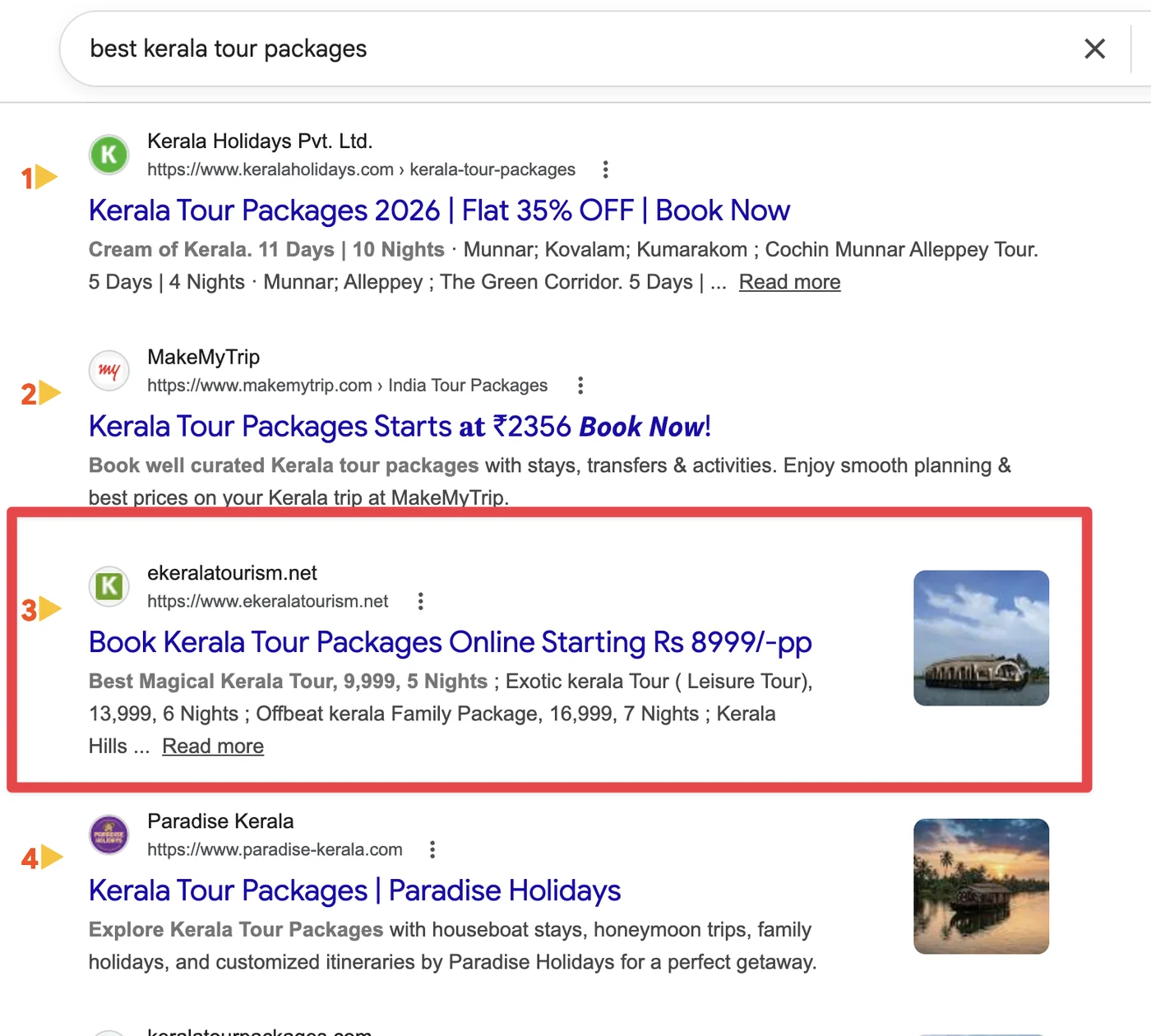
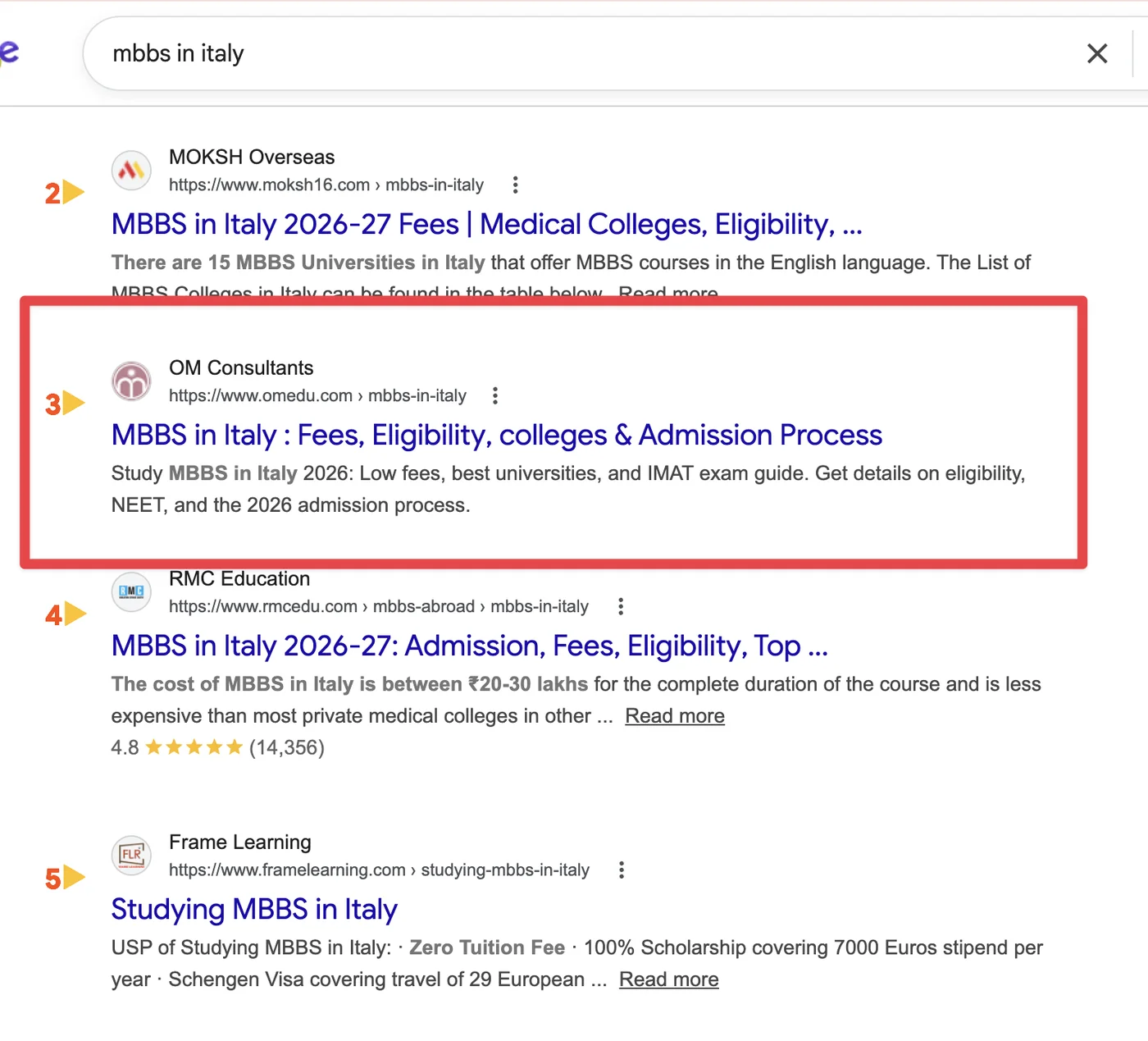
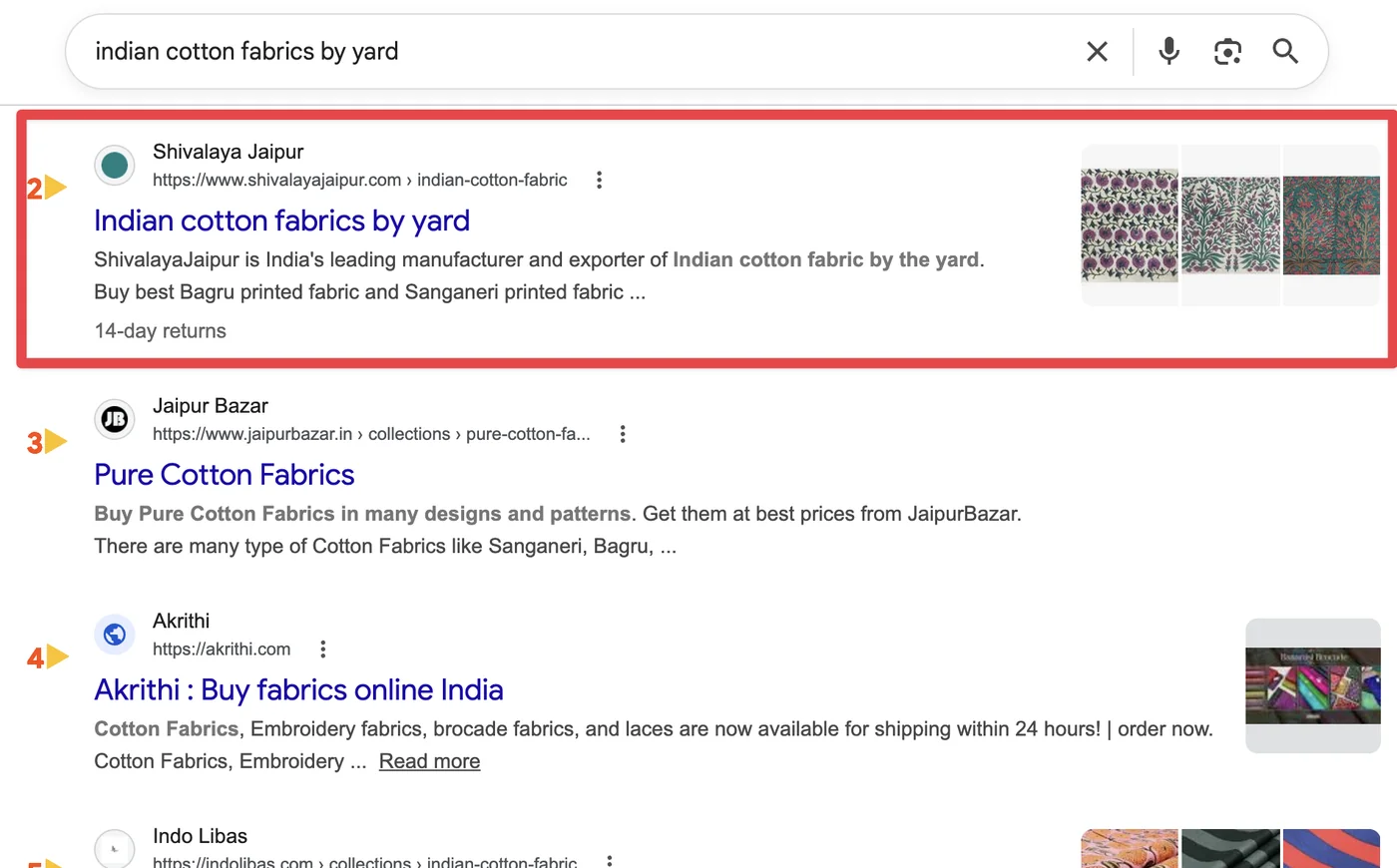
Generative Engine Optimisation — GEO — is the discipline of getting your brand cited inside the answers produced by ChatGPT, Perplexity, Gemini, and Claude. It’s not a replacement for SEO; it’s a parallel channel that’s already driving qualified traffic for the brands that got there early. Over the last six months, working as an with multiple B2B and D2C clients, I’ve seen AI citation traffic grow from under 1% to 8-12% of total qualified visits. The companies winning right now did not wait for a framework — they experimented. This is the GEO playbook we’ve refined from those experiments, and it works.

Why GEO matters in 2026

ChatGPT Search crossed 400 million weekly users in early 2026. Perplexity has become the default research tool for millions of professionals. Google AI Mode and AI Overviews now appear on more than half of all queries. The behaviour shift is massive — users increasingly get their answers directly inside chat interfaces, and the visible blue link is no longer the only traffic gateway.

The good news is that every one of these engines cites its sources. Get cited and you get traffic — often pre-qualified traffic that converts two to three times better than standard organic. But “get cited” is not the same as “rank well.” Generative engines pick sources using a different set of signals than Google’s PageRank-era algorithm, and that’s where GEO comes in.

How generative engines actually pick sources

Each of the four major engines — ChatGPT, Perplexity, Gemini, and Claude — uses a slightly different retrieval pipeline, but they all share five common signals:

  • Semantic relevance. Your content must directly match the intent behind the prompt, not just the keyword. Engines use embedding-based search, so synonyms and related entities count.
  • Structured, extractable content. Clean HTML, H2/H3 hierarchy, lists, and schema markup help the engines parse and quote your page accurately.
  • First-hand data and expertise. Original statistics, case studies, and author bylines beat recycled SEO content every time.
  • Brand authority. The engines learn which brands are trusted in each niche — partly from backlinks, partly from unlinked brand mentions across the web.
  • Freshness. Recent content with clear Last Updated dates gets cited more often on time-sensitive queries.

The GEO playbook — 10 moves that work

These are the specific tactics I’m running for clients right now. None of them require expensive tools. They do require you to rewrite content with GEO in mind, not just add it as a bolt-on.

  • 1. Answer the query in the first paragraph. LLMs quote from the top of the page. Lead with the direct answer, then expand.
  • 2. Use FAQ blocks liberally. Perplexity especially loves FAQ content. One 5-question FAQ section can drive more citations than the rest of the page combined.
  • 3. Write for entities, not just keywords. Cover the topic comprehensively — related concepts, definitions, examples, edge cases. Entity coverage signals expertise.
  • 4. Publish original data. A small 50-sample survey you ran yourself is more citable than a 10,000-sample third-party study you linked to.
  • 5. Cite your own sources. LLMs are more likely to trust sites that follow academic sourcing norms. Link to primary sources, not other blog posts.
  • 6. Add author bylines with credentials. Real human expertise, verifiable on LinkedIn, helps AI engines rank your content above anonymous SEO filler.
  • 7. Implement Article, FAQ, and HowTo schema. All three give the engines extractable structured data.
  • 8. Publish an llms.txt file. This emerging standard tells LLMs how to read and cite your site. It’s not mandatory yet but early adopters get a ranking edge.
  • 9. Build brand mentions across trusted sites. Unlinked mentions on Search Engine Land, Ahrefs, Moz, and niche publications teach the models your brand is credible. This is where traditional digital PR shines.
  • 10. Update content quarterly. Freshness is a real signal for every generative engine. Set a reminder.

Engine-specific tips

Each engine has its quirks. Here’s what I’ve learned running citation experiments across all four.

  • ChatGPT Search heavily weights brand recognition and first-hand data. Brands that are well known on the open web get cited disproportionately. Unknown brands need to earn credibility through mentions and backlinks before citation rates climb.
  • Perplexity rewards FAQ-style content and recency more than any other engine. A frequently-updated blog with a strong FAQ section can get cited for dozens of queries per week within weeks of publishing.
  • Google Gemini / AI Mode still leans on traditional ranking signals plus schema and entity coverage. If you’re already ranking well in Google, getting cited in Gemini is a schema and first-80-words optimisation problem.
  • Claude uses a more conservative retrieval set and puts heavier weight on authoritative, well-structured pages. If your content looks like it belongs in a reputable publication, Claude is more likely to cite it than a casual blog post.

How to measure GEO success

GEO measurement is messier than SEO measurement. There’s no Search Console for ChatGPT. The three metrics I track weekly are: citation count (manual prompts run against a target query list), referral traffic (filter GA4 by ChatGPT, Perplexity, and Gemini user-agents), and brand query volume in traditional Google Search — which rises when your brand becomes more recognisable to LLMs. Tools like are rolling out AI visibility tracking through 2026 — until then, manual tracking plus GA4 filtering gets you 80% of the insight for 0% of the cost.

GEO is where SEO was in 2005 — wide open, under-competitive, and rewarding for anyone willing to do the work. Start by auditing your ten most important commercial pages against the 10-point playbook above, then iterate. If you want me to run the GEO audit for you, it’s included in every I take on in 2026. You can also start with a that now includes a basic GEO readiness check. The brands that get cited by ChatGPT, Perplexity, and Gemini in 2026 will be the default answers in their category for the next five years — generative engine optimisation is how you become one of them.

Frequently Asked Questions

What is Generative Engine Optimisation (GEO)?

GEO is the practice of optimising your website to get cited inside answers produced by generative AI engines like ChatGPT, Perplexity, Gemini, and Claude. It’s a complement to traditional SEO — not a replacement. GEO focuses on semantic clarity, structured content, first-hand expertise, and brand authority because those are the signals LLMs use to select citations, rather than PageRank-style link counts.

How is GEO different from traditional SEO?

Traditional SEO optimises for Google’s ranking algorithm — crawlability, backlinks, Core Web Vitals, on-page keywords. GEO optimises for how LLMs extract, summarise, and cite content — first-paragraph answers, schema, entity coverage, first-hand data, brand mentions, and freshness. Strong SEO is a prerequisite for strong GEO, but GEO needs an additional layer of content structuring the LLMs actually read.

How long does GEO take to show results?

Faster than traditional SEO. Most clients see their first ChatGPT and Perplexity citations within 3-6 weeks of implementing the playbook — much sooner than the 3-6 months typical for Google ranking improvements. The speed comes from the fact that LLMs re-crawl and re-index at very high frequency, so content changes propagate quickly.

Can I track GEO citations like I track Google rankings?

Not yet, fully. Google Search Console now reports AI Mode impressions, but ChatGPT, Perplexity, and Claude don’t offer equivalent dashboards. The workaround is manual — run your top 20 target prompts weekly in each engine and log which pages get cited. Ahrefs and Moz are rolling out AI visibility tracking through 2026. For now, combine manual prompt tracking with GA4 referral filtering.

Do I need llms.txt on my website to rank in LLMs?

Not strictly required yet — none of the major engines enforce llms.txt. But it’s a no-cost, forward-looking signal that early adopters are using to gain an edge. Publish a basic llms.txt that lists your key content, author bios, and licensing preferences. Think of it as the robots.txt of the LLM era: not mandatory today, probably mandatory in two years.

SEO Meta Tags

Meta Title: Generative Engine Optimisation: GEO Playbook 2026

Meta Description: The 10-move GEO playbook to rank in ChatGPT, Perplexity, Gemini and Claude. Generative Engine Optimisation tactics that work in 2026.

URL Slug: /blogs/generative-engine-optimisation-geo-playbook/

OG Title: GEO Playbook 2026: Rank in ChatGPT, Perplexity & Gemini

OG Description: The 10-move playbook to get cited by ChatGPT, Perplexity, Gemini and Claude.

Focus Keyword: generative engine optimisation

Secondary Keywords: geo seo, how to rank in chatgpt, perplexity seo, gemini seo

Image Alt Text: Deep Bhardwaj GEO Playbook 2026 — ChatGPT Perplexity Gemini banner

Related Reading

Request a free SEO consultation!